
Category Forecasts & Analytics
What is most likely to happen next and why?
In the ORBK.NET Forecasts and Analysis section, we examine events and processes that may shape the future. We are interested not only in what is happening now, but also in why it is happening, what forces are driving change, where those changes may lead, and what new facts could alter the direction of events.
Not every article in this section is a forecast. Analysis helps explain the current situation, its causes, contradictions, and possible consequences. A forecast is made when a future event can be defined clearly enough, given a specific time horizon, and later checked against what actually happened.
How we analyse the future
For forecasting and scenario research, ORBK.NET uses its proprietary technology, ORACLE Foresight Engine.
It provides a systematic way to combine verified facts, historical context, current signals, and possible future scenarios. Detailed algorithms and internal rules remain part of the project’s proprietary research framework. What matters to the reader is the result: clear reasoning, an assessment of probability, an honest view of uncertainty, and an explanation of what could change the forecast.
We do not present forecasts as statements of future fact. Even a high probability does not mean that an event is certain to happen. When significant new information appears, an assessment may change.
At the same time, earlier forecasts are not rewritten as though later information had been known from the start. This makes it possible to compare an original assessment with the actual outcome, identify mistakes, and understand which factors turned out to matter more than expected.
What we explore
Forecasts and Analysis covers a wide range of subjects, so ORBK.NET articles are organised into thematic categories. A single topic may overlap several fields, but its main category is determined by the central focus of the article.
Geopolitics — wars, international relations, alliances, sanctions, diplomacy, and shifts in the global balance of power.
Economics — inflation, employment, production, trade, economic cycles, and major changes in national and global economies.
Business — companies, competition, business models, corporate decisions, emerging markets, and the future of individual industries.
Finance — currencies, banks, financial markets, gold, public finance, and other processes involving money and capital.
Technology — artificial intelligence, robotics, computing, digital platforms, and technological changes that may affect work, business, and everyday life.
Energy — oil, gas, electricity, nuclear and renewable energy, energy storage, and the transformation of the global energy system.
Science — space, physics, biology, medicine, new discoveries, and questions about which scientific breakthroughs could reshape the future.
Society — demographics, work, education, human behaviour, cultural change, and the interaction between society and new technologies.
The Future — long-term changes that extend beyond a single industry, from lifestyles and professions to new forms of interaction between people, technology, and the environment.
Sports — events and outcomes where a forecast can be clearly recorded and later verified.
Film and Television — the future of the film industry, streaming platforms, franchises, animation, production technologies, and audience behaviour.
The Future of Music — changes in how music is created and consumed, streaming, artificial intelligence, music formats, rights, artists, and the wider music industry.
Other ORBK.NET analytical directions also include Philosophy of the Body, Natural Parallels, Myths and Mysteries, and other subjects where we can examine patterns, test competing explanations, or ask meaningful questions about the future.
Not to guess, but to test
The purpose of ORBK.NET is not to produce as many bold predictions as possible. When there is not enough evidence for a responsible forecast, the subject remains analytical.
When a forecast can be made, the initial probability is only part of the work. What also matters is what actually happened, why the outcome did or did not match expectations, and what can be learned from it for future research.
The purpose of Forecasts and Analysis is to better understand which scenarios currently appear most likely, why they do, and what evidence could change that assessment.
ORBK.NET – Making sense of reality. Seeing the context.
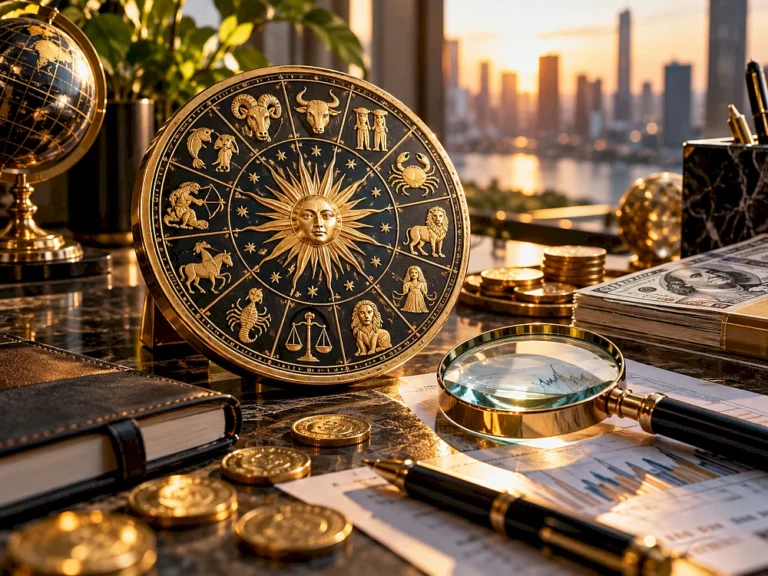
Which Zodiac Signs Will Get Rich in 2027? Checking the Claims!
Each year, financial horoscopes promise that certain zodiac signs are about to enjoy a windfall. Taurus might be told to expect material stability, Leo a career breakthrough, Capricorn the reward for hard work and Aquarius success with new technology. It…
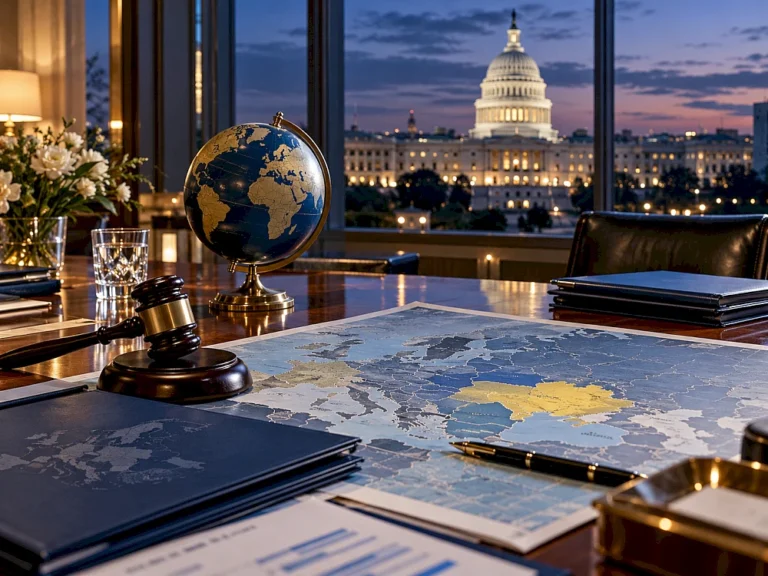
What Would Change for Ukraine and the World if Democrats Controlled Congress?
Imagine January 2027. Donald Trump is still president, but Democrats control both chambers of Congress. He continues to run the executive branch, speak for the United States abroad and command the armed forces. Yet major spending programs, appointments and controversial…

How to Invest $1,000 for Monthly Income: What Is Realistic?
One thousand dollars is enough to begin investing, but not enough to produce a substantial passive income at conservative rates. That simple fact gets lost in advertisements promising monthly cash flow from a tiny initial deposit. To earn $50 every…
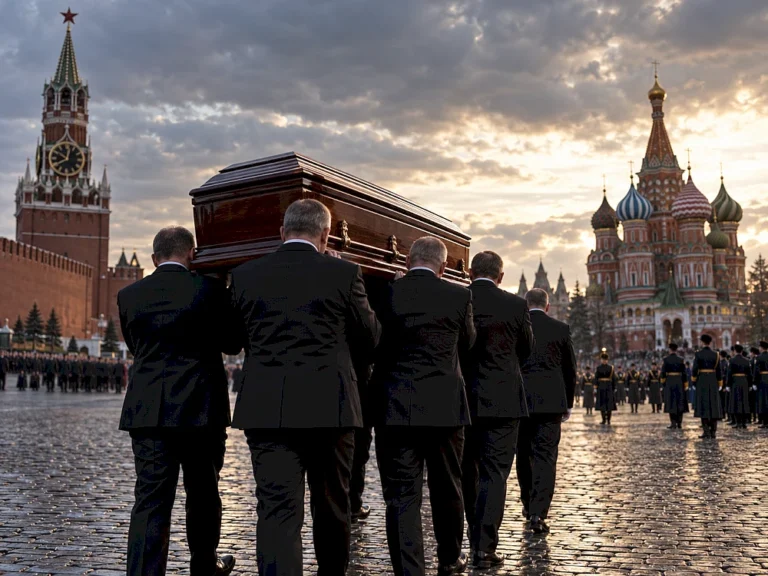
If Putin Died Tomorrow: What Would Change for Ukraine, Russia and the World?
Imagine the morning of October 20, 2026. Russian television interrupts its programming to announce that Vladimir Putin has suddenly died. Foreign governments seek to establish who now makes decisions in Moscow. In Ukraine, the question is immediate and deeply personal:…
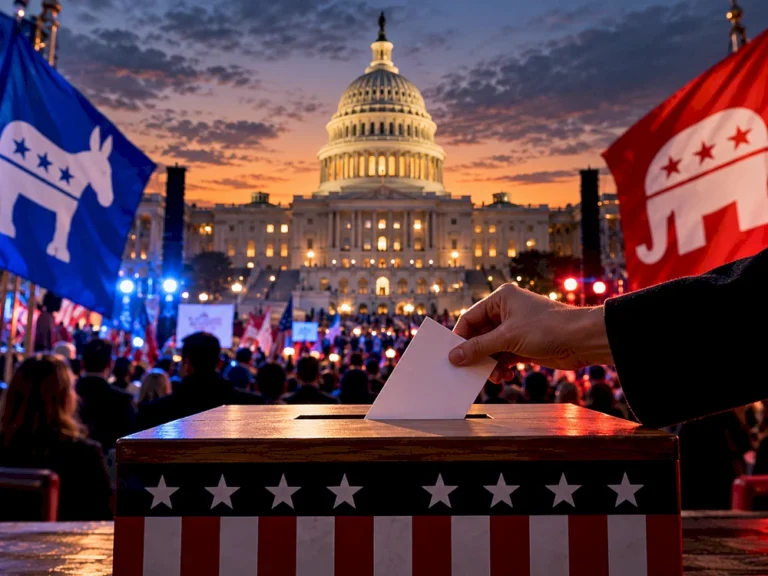
Who Will Win the 2026 U.S. Midterms: Democrats or Republicans?
With two weeks left before the November 3 midterm elections, the United States faces a vote that could define the rest of Donald Trump’s second term. Republicans risk losing the House of Representatives, and the Senate has become competitive enough…
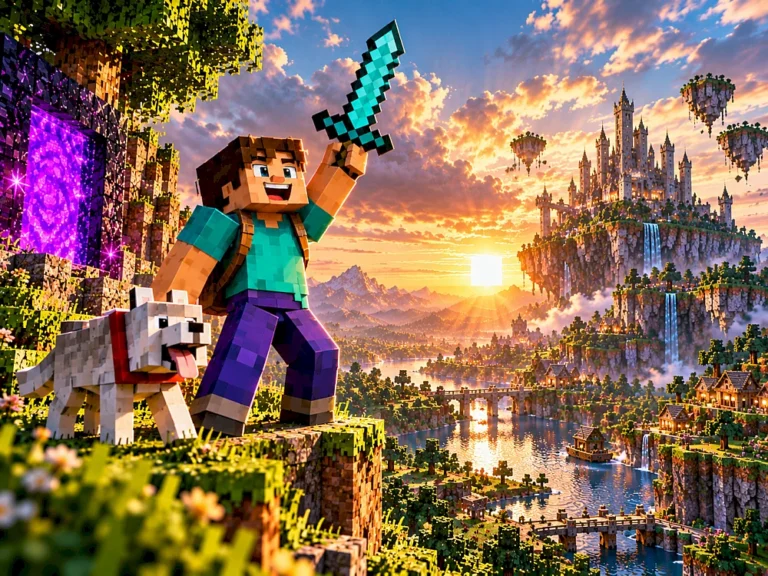
Will Minecraft Become Free to Play by 2030?
For more than fifteen years, Minecraft has remained one of the world’s great premium-game successes. Meanwhile, Roblox and Fortnite have taught a younger generation that getting into a game should cost nothing, even if cosmetics, memberships and optional features cost…
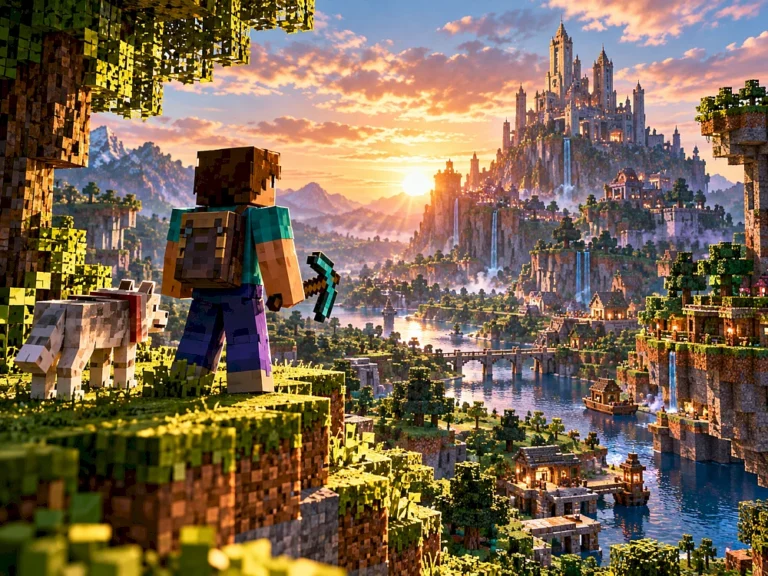
Will Minecraft 2 Be Released by 2030?
Minecraft has been around for more than seventeen years, outlasting several console generations without a direct sequel. Some of the children who built their first dirt shelters are now introducing the game to their own children. Minecraft 2 may sound…
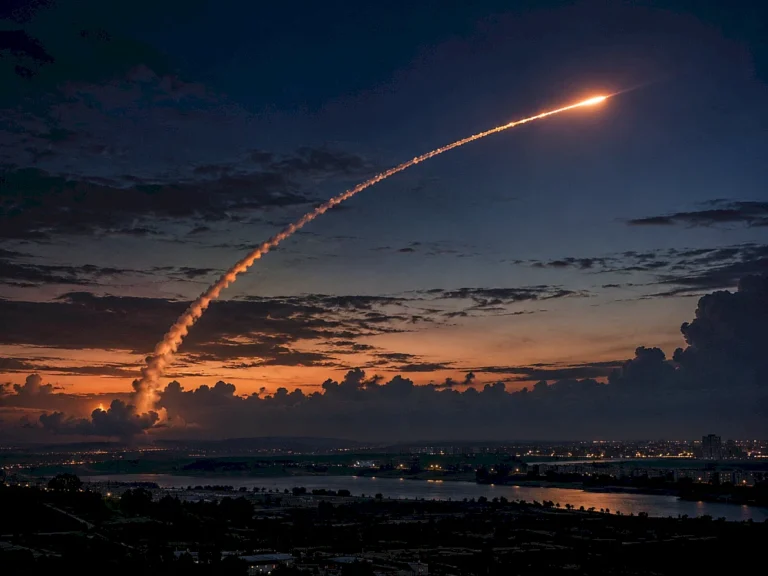
Could Ukraine Gain a Non-Drone Weapon System That Materially Improves Its Battlefield Position?
Short answer: the probability that Ukraine will obtain or deploy at scale a non-drone military capability that materially improves its position on at least part of the battlefield by the end of 2028 is estimated at roughly 70%. The strongest…

Will AI Become the Main Interface Between Ukrainians and the State by 2030?
Short answer: this no longer looks like science fiction. Ukraine already has a mature digital-government ecosystem, tens of millions of Diia users and a functioning Diia.AI assistant that is moving from answering questions toward completing real public services. But there…

Will Ukrainians’ Incomes Improve in 2027?
In 2027, the average Ukrainian employee will almost certainly receive a higher salary in hryvnia than in 2026. But that figure alone says little about living standards. If pay rises by 12% while prices rise by 10%, the real gain…

When Will One Person Be Able to Make a Studio-Quality Feature Film?
Only a few years ago, this sounded like a question about the distant future. In 2026, the premise changed. It is already too late to ask whether one person can make a feature-length film with generative AI at all: such…

Will Hollywood’s Dominance at the Global Box Office Decline?
In 2019, US films accounted for roughly 63% of global cinema admissions. Six years later, the share was about 52%. Over the same period, the share attributed to Asian films rose from roughly 27% to 36%. And the biggest worldwide…

Will Disney Lose Its Status as the World’s Leading Animation Studio?
A few years ago, the question itself might have sounded strange. Disney had been so closely associated with major theatrical animation for so long that the competition often looked like a race for second place. That picture is now more…
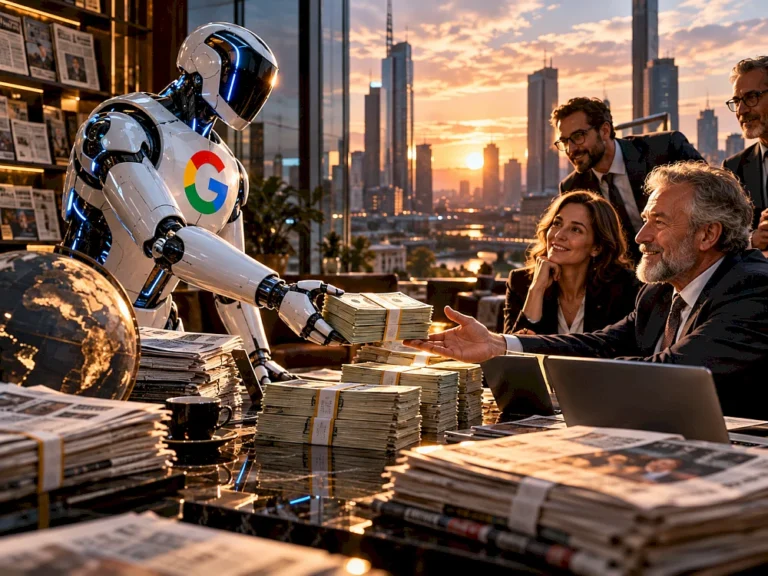
Will Google Start Paying Publishers at Scale for Content Used in AI?
Short answer: the probability that Google will introduce a large-scale compensation system specifically for publisher content used in AI products by the end of 2030 is estimated at about 65%. The most likely outcome is not a universal fee for…
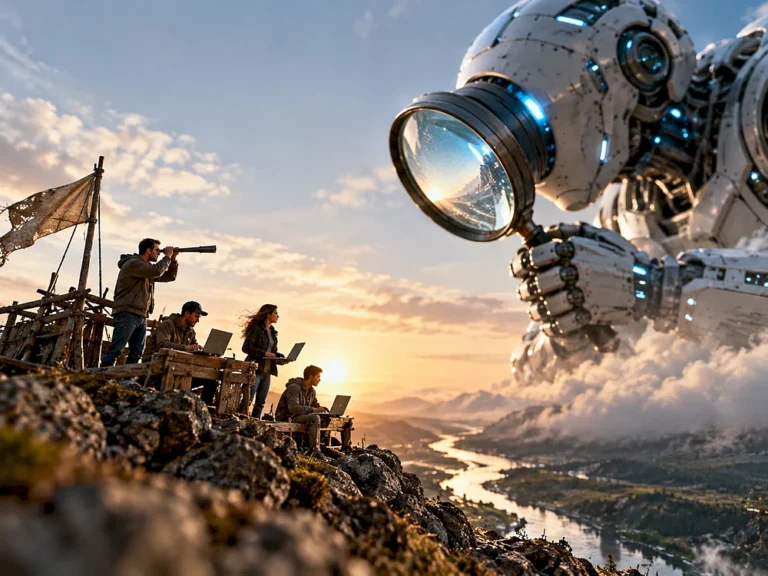
Will Small Websites Survive the Age of AI Search?
In short: small websites are not doomed by AI search, but the model of publishing lots of useful articles, ranking in Google and living on referrals is becoming much riskier. The weakest position belongs to sites that depend almost entirely…
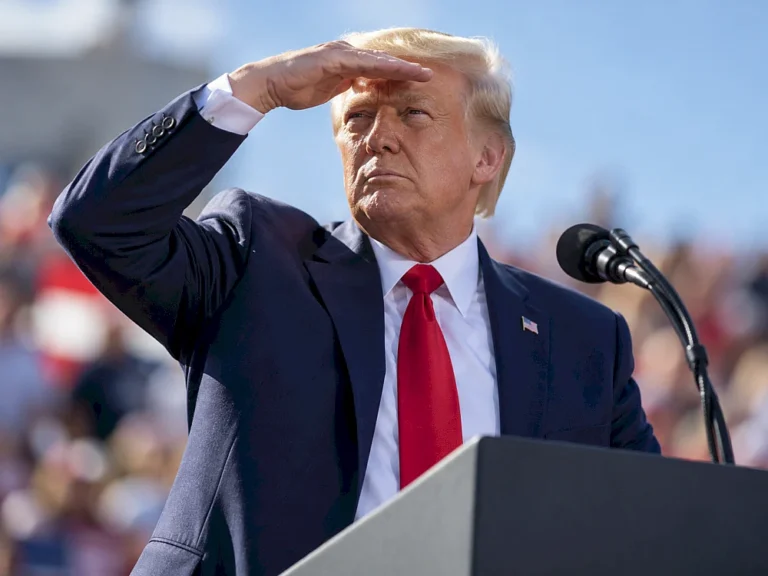
Can Donald Trump Remain U.S. President After His Second Term?
Donald Trump still teases the idea of 2028 from time to time, but the U.S. Constitution puts a barrier in front of a third presidential term that cannot be cleared by an ordinary campaign. The subject is not purely rhetorical:…
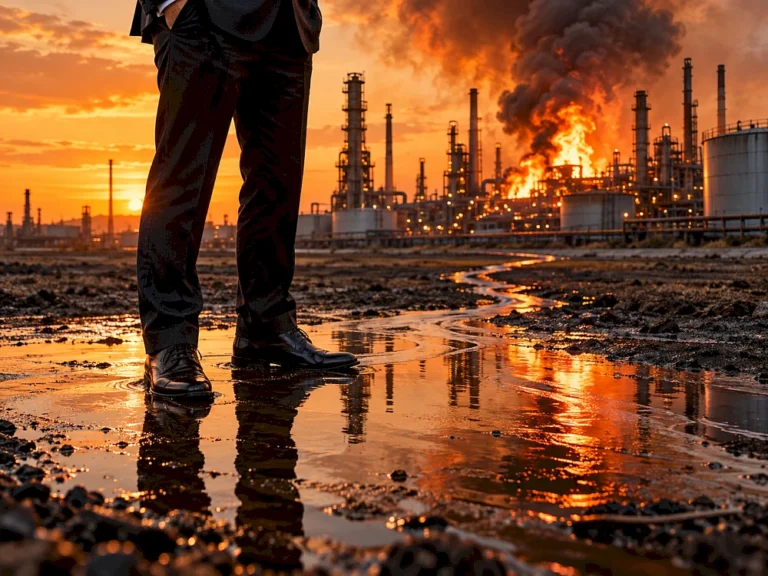
Diesel at Ukraine’s Expense? How Morally Problematic Is Trump’s Deal With Putin?
Donald Trump can defend his diesel arrangement with Vladimir Putin in simple terms: Americans need lower fuel prices, and a U.S. president is expected to put the economic interests of his own citizens first. In domestic politics, that argument is…
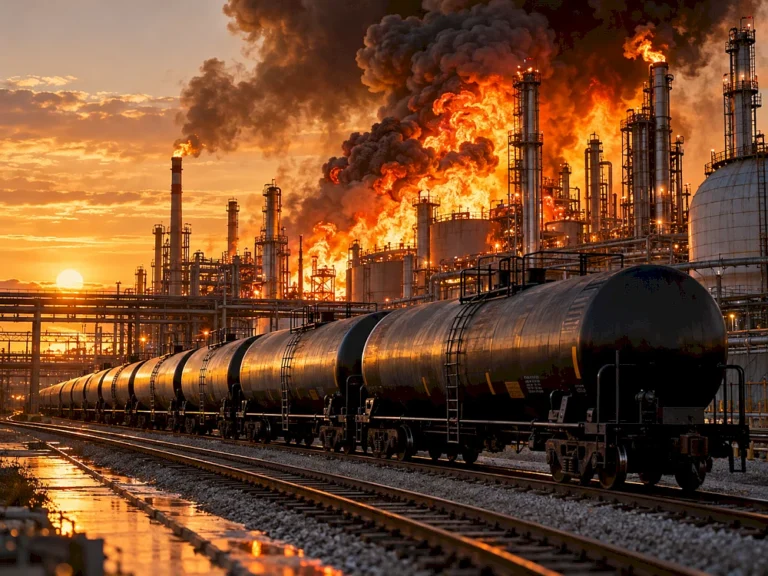
Why Did Trump “Sell Out to Putin for Diesel” and Is That Really What Happened?
When a U.S. president reaches a diesel deal with Vladimir Putin and Washington immediately opens a sanctions exception for the trade, the Ukrainian reaction can easily be compressed into one phrase: Trump “sold out for diesel.” The line is emotionally…

Will There Be a Ceasefire in Ukraine Before New Year 2027?
Less than three months remain before the end of 2026. Diplomatic contacts continue, but they are unfolding alongside infrastructure strikes and active front-line fighting. Russia publicly rejects short pauses in favor of a broader long-term settlement, Ukraine wants stronger pressure…

Who Will Make Money Online If AI Takes Most Informational Clicks?
In short: if AI search takes a large share of informational referrals, internet revenue will not disappear. It will shift away from pages that monetized the visit itself and toward businesses that control transactions, direct customer relationships, proprietary data, tools…