
It had only two colors. But within them — an entire world. One — like the sky, which had seen everything but remained silent. The other — like wheat, which fed people even when no one thanked it. This flag didn’t know how to scream. It couldn’t defend itself. But every time someone tried to trample it into the ground, for some reason, it rose again. And now you’ll hear a story that was never told in textbooks. Because this is a tale about the Ukrainian flag. And it begins in a city that no longer exists on the map.
Where once orchards grew, now stood ruins. The wind carried dust like clouds of memories. And among it all — an old banner. It was supposed to be taken down. Because no one needed it anymore. Because there was no longer a school where it had hung. No bell. No children. But the flag remained. And do you know why? Because at night, when the world isn’t watching, flags know how to think.
It remembered everything. How it was first unfolded. How a boy from second grade held it with both hands, afraid to drop it. How the anthem echoed in the gym, and everyone stood silently, but their eyes were shining. It remembered how once, on the first day of school, a grandmother came — and for the first time in 70 years, she heard the Ukrainian language from a loudspeaker. She cried. And the banner simply fluttered.
And then — others came. Those who said: “Why do you need this colorful piece of cloth? It has no power. It’s just a symbol.” And they started tearing it down. Covering it. Repainting it. But they didn’t know one thing: if you tear down a symbol — you don’t destroy it. You only expose your own fear.
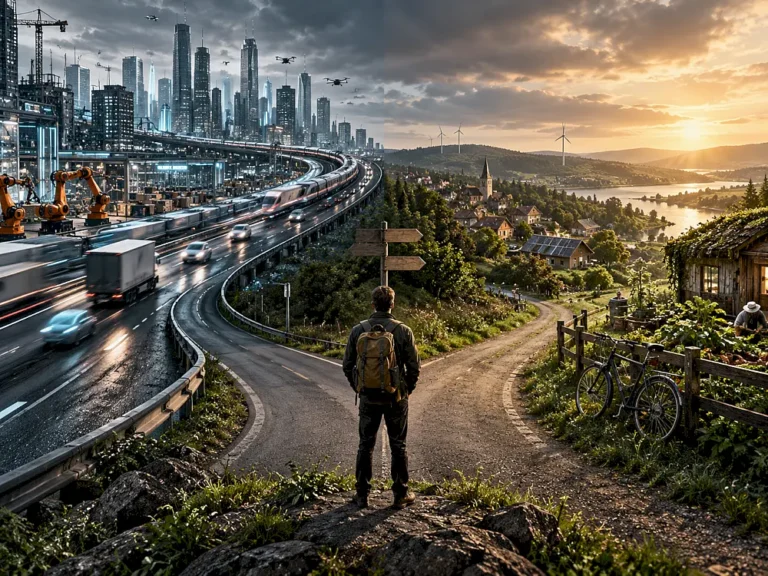
The flag didn’t run. It stayed silent. Until one night, during a storm, the Boy appeared. Not from the city. Not from the army. Not from the heroes. Just a Boy. His sneakers were torn, on his back — an old backpack, and in his eyes — something strange. As if he had already seen something he shouldn’t have. He looked at the burned school — and didn’t cry. He just took out scissors, cut off a piece of the banner — and wrapped it in his sweatshirt.
“Why did you do that?” — asked the wind. The Boy didn’t answer. Because the wind is not a friend to everyone.
He walked away. But a piece of the flag stayed with him. And you won’t believe what began to happen next. Wherever the Boy went — miracles happened. Where people hadn’t spoken to each other — they started greeting. Where there had been fear — silence appeared. Where it was dark — someone suddenly lit up a window. And no one knew why. But he did. Because the banner, even torn, even in a pocket — remembers who you are.
One day, when the Boy was walking across a field, a strange man in a strange uniform blocked his way. “Who are you?” — he asked. “I’m just going home,” — the Boy replied. “What’s in your backpack?” — asked the voice. And then the Boy pulled out the piece of the banner. The man was silent. For a very long time. And then he said: “Go. I didn’t see anything.” Because even an enemy sometimes remembers that there are things that must not be touched. Even when ordered to.
A flag is not cloth. It is memory. It is a promise. It is a prayer without words. And when people returned to the city, where everything was destroyed, the Boy was already grown. But he held in his hands not a new flag. The same one. Torn. Scarred. With dust and soot. And he said: “We don’t need a new one. This one has seen enough to know who we are.”
People stopped. One man took off his cap. A woman covered her eyes with her hands. And someone very old whispered: “It endured. So we must endure too.”
And then the banner rose again. But not on a mast. In hearts. In windows. In hands. It wasn’t bought — it was shared. Not like a product. Like fire. To warm. To illuminate. To remember.
They say flags are silent. But that’s not true. They just wait. And when the time comes — they speak louder than any microphone. Because a flag is not power. And not government. It is the shadow of your ancestors and the ray of your children. And if you hold it with dignity — it holds you from above.
This is not the end of the tale. It’s only the beginning.